Places & encounters
A place for art is a place for people
A cultural space takes shape through the attention, conversations and relationships it makes possible.
Begin with the encounter
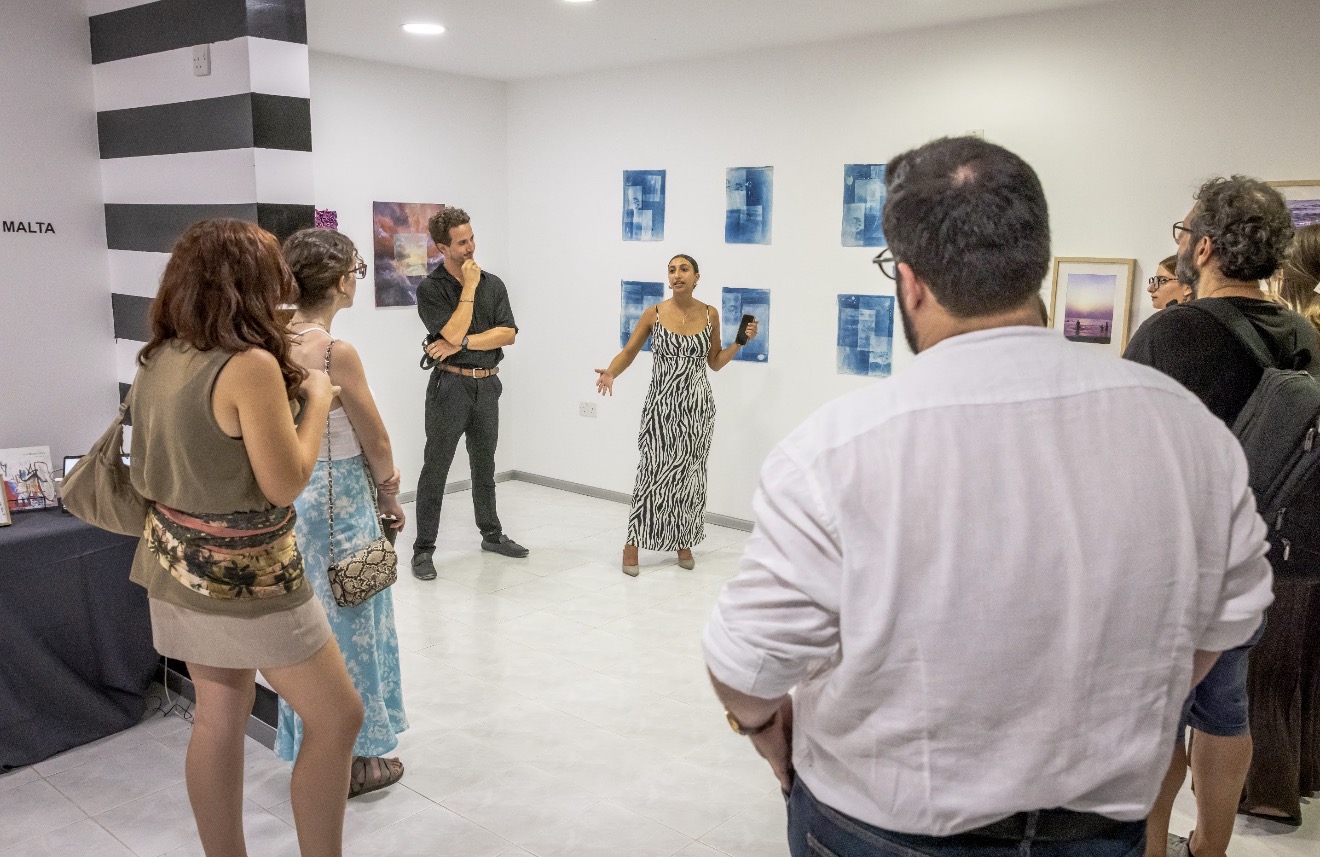
Putting work into a room is a beginning. How people arrive, what they can see and whether they feel able to ask a question all affect the encounter. A host can create the conditions for attention through simple choices: giving an introduction, allowing enough time and bringing the artist’s perspective into the room.
A small gathering can make these choices especially visible. People can return to a work after hearing someone speak, ask about a material or listen to another person’s interpretation. The programme should leave room for this less predictable part of the experience.
Let the place contribute
Architecture, light and local context belong in the planning of a presentation. They affect how work is experienced and how people spend time together. A thoughtful programme responds to those conditions, from where a conversation takes place to how a visitor moves between works.
The same principle applies in a hotel, a company or a private home. The cultural ambition should have a relationship to the life of the place. Understanding that life requires listening to the people who use it, manage it and know its surroundings.
A first expression in Malta
New Renaissance’s first physical showroom in Tarxien provided a setting for an opening presentation and a private salon in August 2026. The photographs show guests gathered among works, listening to remarks and taking time to look closely.
For us, the project made an idea tangible: cultural relationships benefit from occasions where people and work meet directly. The record of the opening is a starting point for thinking about future initiatives, with each new setting calling for its own purpose and approach.
Give the encounter a future
A gathering can end well and still leave useful work to do. Document the presentation with care. Confirm credits and permissions. Make it possible for interested guests to follow up through an appropriate point of contact.
The question for a cultural host is what the occasion allows to continue. That may be a conversation, a commission, a new interest or a relationship with an artist. Designing the event and caring for that continuation are parts of the same responsibility.
 New Renaissance · 3 min read
 New Renaissance · 4 min read