Collecting
A Collection Begins with One Work
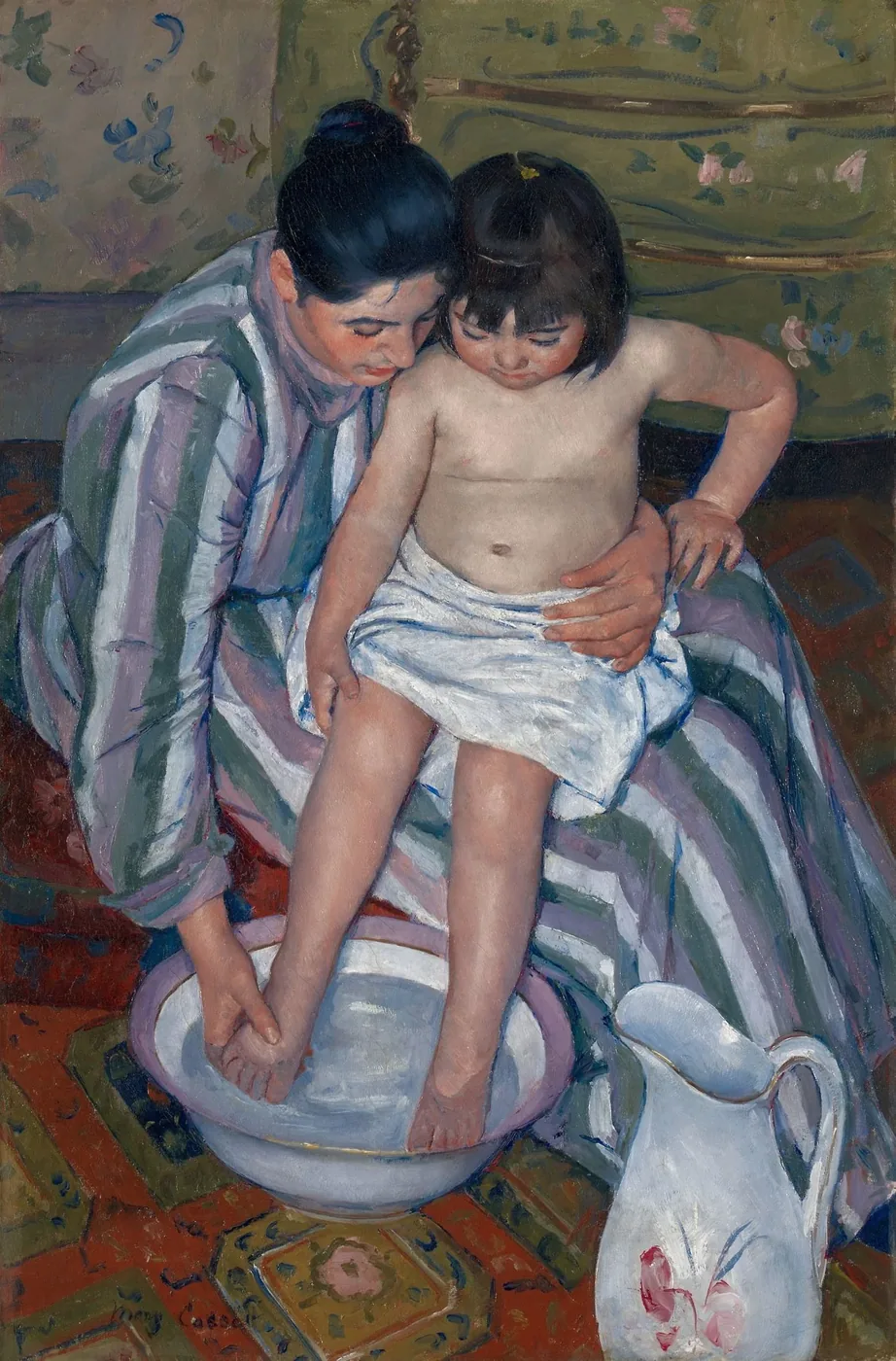
The first work in a collection does not need to announce a grand plan. It may be a drawing you return to, a photograph that changes the atmosphere of a room, or a small sculpture whose surface makes you want to look again.
Learning how to start an art collection begins with that attention. Over time, you can develop the knowledge to understand what you are buying, why it matters to you, and how to care for it.
Let looking come before buying
Spend time with different kinds of work before deciding what belongs in your home. Visit exhibitions. Look at works on paper as well as paintings. Notice whether you are drawn to a material, a recurring subject, a particular handling of color, or the questions an artist keeps asking.
Keep a short record of the works you remember. Write down what stayed with you after you left the room. This exercise can reveal the beginnings of taste without turning taste into a rigid set of rules.
Try separating three questions: Do I enjoy looking at this? Do I want to understand it further? Can I responsibly take care of it? A purchase becomes clearer when all three have received some thought.
Learn from collectors who paid attention
Herbert and Dorothy Vogel built a substantial collection while working as a postal clerk and a librarian. The National Gallery of Art describes how they developed close relationships with artists and bought within the practical limits of their income and apartment. [1]
Their circumstances were distinctive. Their story offers no guarantee that another buyer will achieve comparable results. What it does demonstrate is a way of approaching art through sustained interest in people and ideas. A collector can develop knowledge by following a practice over time, asking questions, and looking beyond a familiar name.
Ask the questions that make ownership clear
Before buying, ask for the artist's name, title, date, medium, dimensions, and price in writing. For an edition, clarify its size and the number of the example you are considering. Ask about condition, framing, installation, and any known care requirements.
Find out who is selling the work and what documentation accompanies it. Keep the invoice, correspondence, and any certificate together. If a claim about authenticity or ownership is material to your decision, have it checked by a qualified specialist.
You can be enthusiastic and methodical at the same time. A clear purchase process respects the artist, the seller, and the person who will care for the object next.
Make room for the whole cost
Choose a comfortable total budget that includes the work and any framing, shipping, installation, or applicable charges. Those details can change whether a purchase fits your circumstances.
For a first acquisition, it is reasonable to prefer something you can afford to enjoy for a long time. Future resale demand is uncertain. The strongest reason to buy may simply be that the work matters to you and the purchase supports a practice you want to see continue.
Consider the space, too. View the work's dimensions against your wall rather than relying on a close-up photograph. Request an additional detail or a short video if texture is important. An honest understanding of scale prevents avoidable disappointment.
Begin a relationship with the work
Once it arrives, keep learning. Follow the artist's next exhibition. Read about the materials. Notice how living with the work changes your first impression. A collection can develop through these repeated encounters, one considered decision at a time.
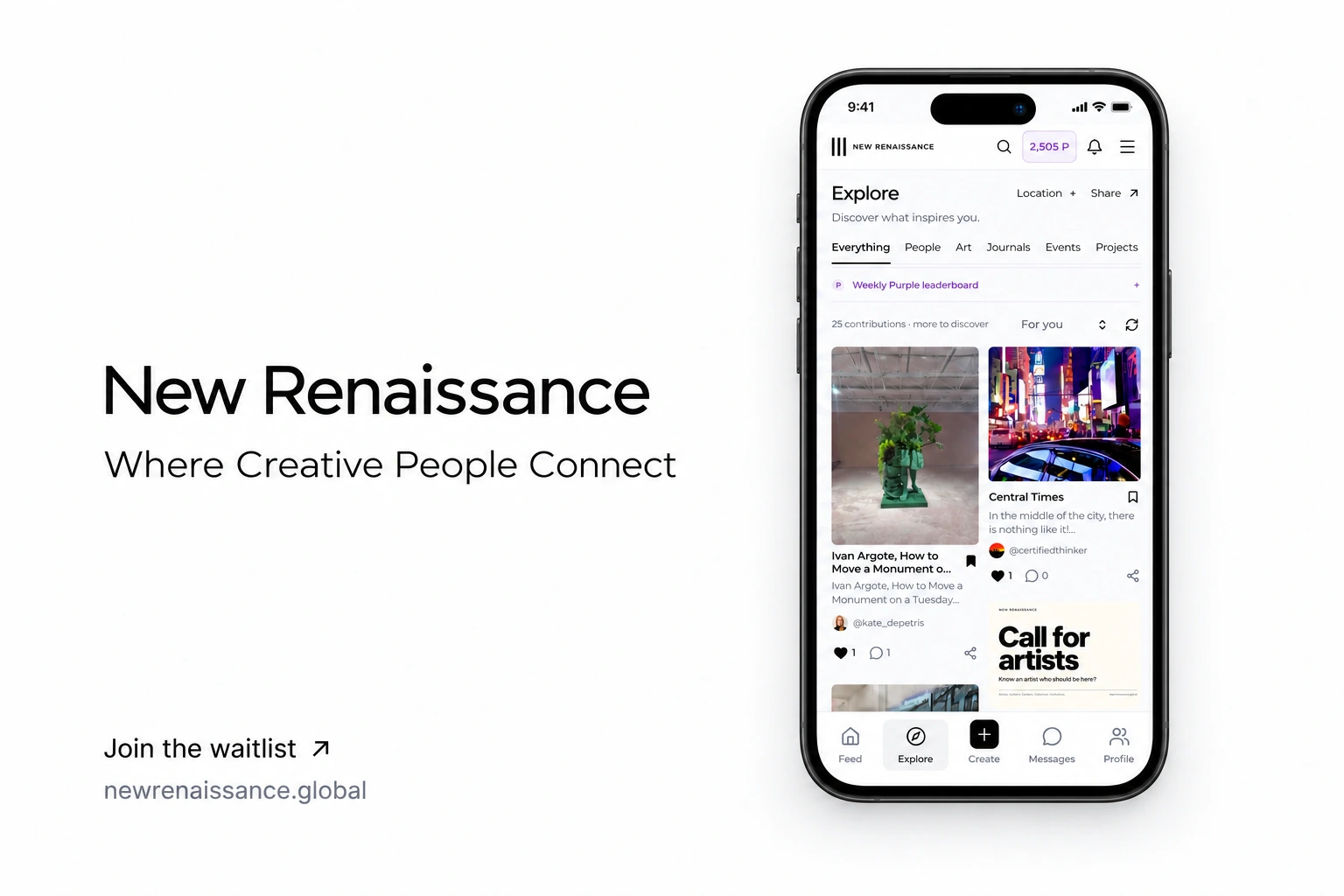
New Renaissance connects discovery with conversation. Explore the art advisory if you would like help clarifying your interests, or join the waitlist to take part in the wider community. Your first useful step is simple: find a work you would like to understand better.
To understand the relationships that surround a creative practice, read Why Artists Need Other Artists.
 Community · 3 min read
 New Renaissance · 3 min read