Community
Why Artists Need Other Artists
An artist can spend an entire day alone and still be working in conversation. A book is open on the table. A friend's observation remains unresolved. A painting seen last week has changed the scale of the next canvas.
Solitude gives work room to develop. Other people give it resistance, context, and somewhere to go. The useful question is how to build an artist community that supports a practice while leaving its independence intact.
A shared room can change what becomes possible
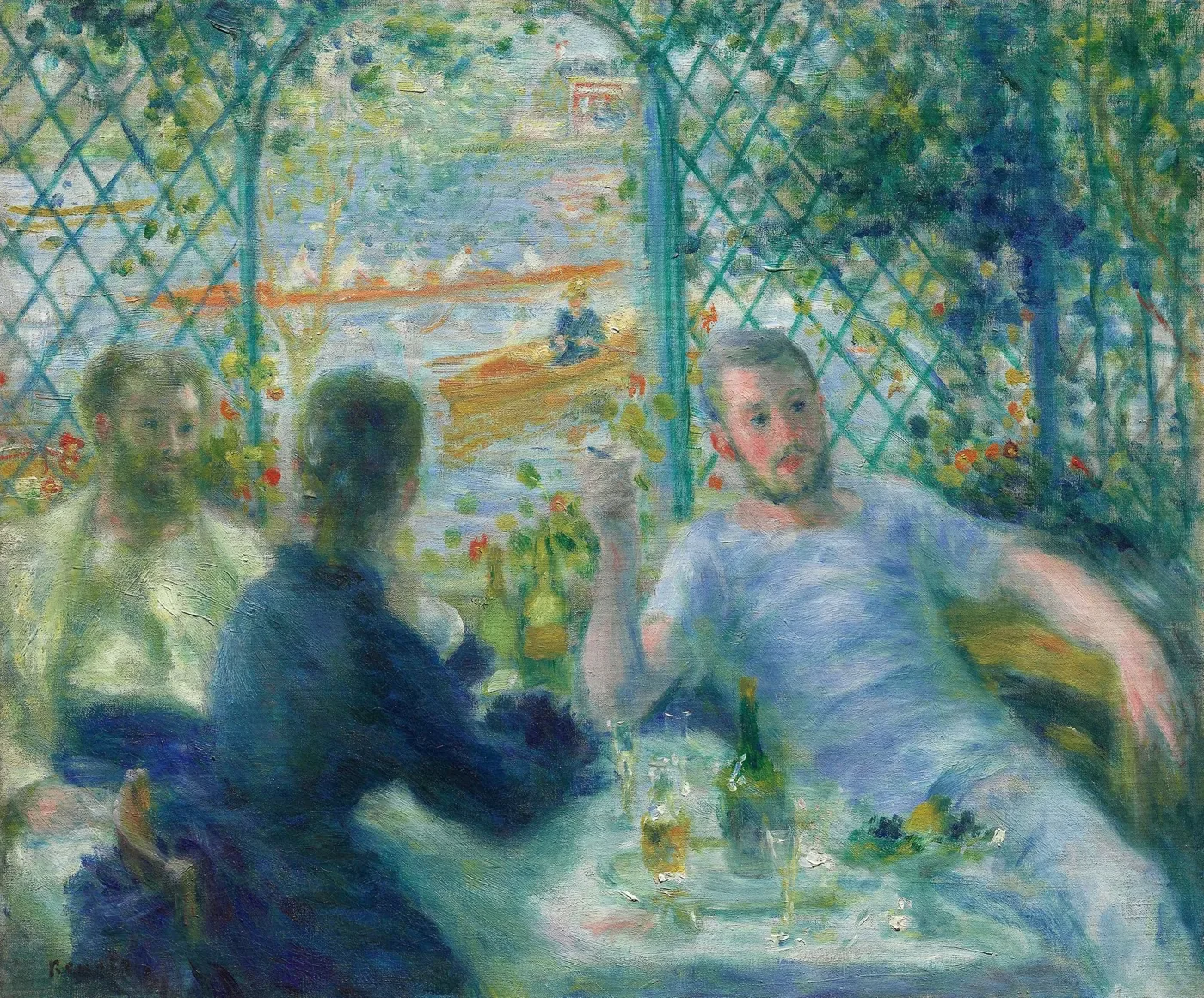
In 1874, a group of artists organized an independent exhibition in Paris outside the official Salon. Their approaches differed, but a shared exhibition gave those differences a public setting. The group that became known as the Impressionists made something together that none could have made in precisely the same way alone: an alternative place for their work to be seen. [1]
The lesson is practical. A community can share a room, an audience, a useful contact, or the cost of documenting an exhibition. It can make a modest project possible before a larger institution takes an interest. History becomes more useful when we notice this ordinary work behind the celebrated moment.
Find people who can look carefully
A helpful studio visit begins with attention. Someone notices that the smallest drawing has the strongest sense of space. Someone asks why a material changed between one work and the next. Someone sees a recurring image that the artist had not recognized as a pattern.
The most useful response is often specific enough to test. “The lower section feels unresolved” gives an artist something to examine. General encouragement has its place, but a relationship deepens when people can explain what they see without trying to take over the work.
Before asking for feedback, name the question. Are you deciding whether a series belongs together? Trying to understand what a viewer reads first? Choosing a scale? A clear question makes another person's attention more valuable.
Build relationships across disciplines
A painter and a filmmaker may both be thinking about duration. A sculptor and an architect may share an interest in how a body moves around an object. A musician can notice rhythm in an exhibition that someone trained in painting might describe differently.
These exchanges work best when curiosity comes before a proposal. Learn what the other person actually does. Ask about a decision, a material, or a problem. Collaboration becomes more credible when it grows from an understanding of the work.
It also needs boundaries. Agree on responsibilities, credit, expenses, and what each person is free to share. Friendship can make that conversation easier; it should not make the conversation unnecessary.
Give the relationship somewhere to continue
A promising conversation can disappear because neither person knows what comes next. Keep the next step small: exchange a reading, arrange a studio visit, send the promised image, or return with a thoughtful response to a new work.
Consistency matters more than collecting contacts. A handful of sustained creative relationships can be more useful than a long list of unfamiliar names. Give those relationships the time and attention you hope to receive in return.
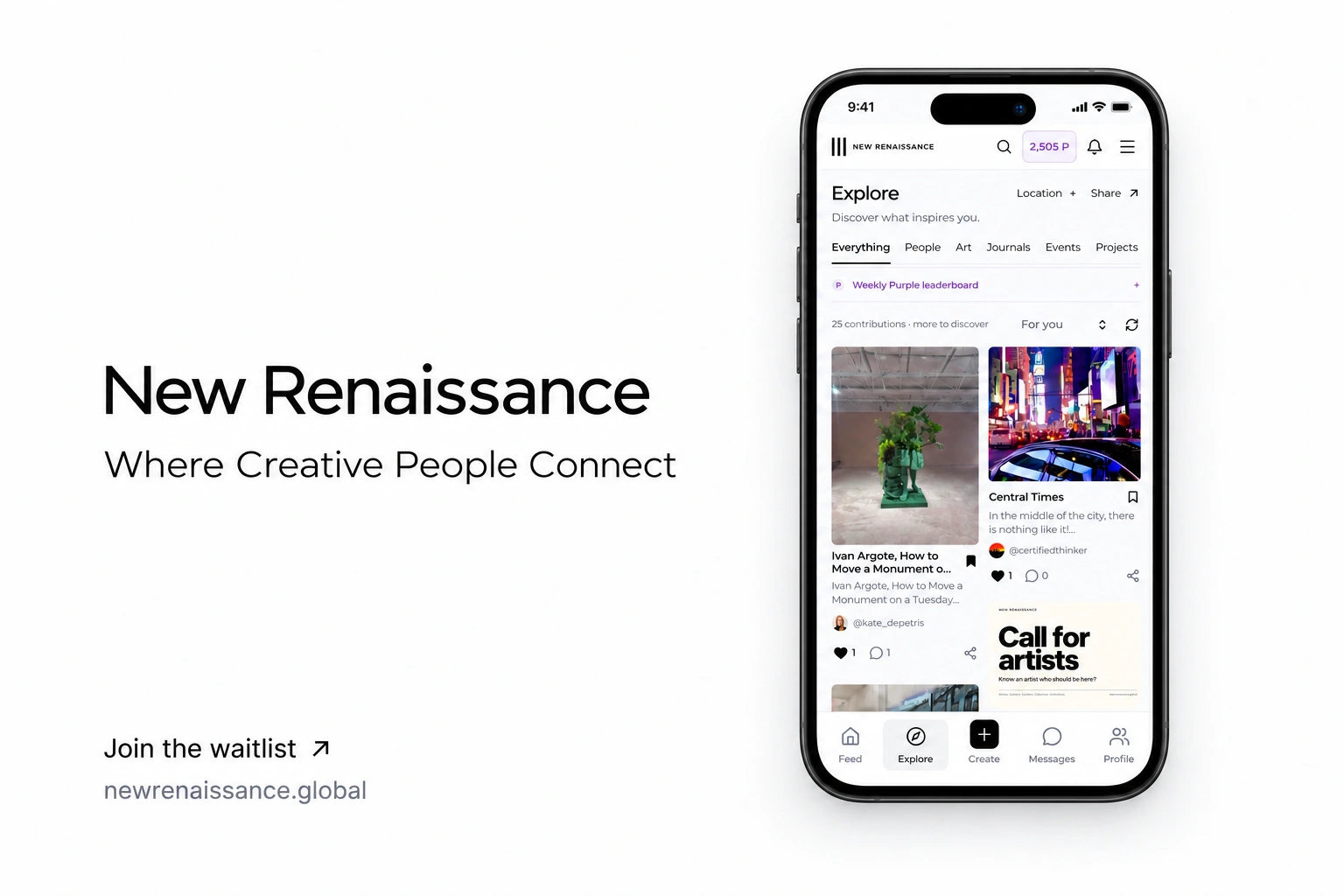
New Renaissance brings artists, collectors, curators, and institutions into a shared setting for discovery and conversation. Its value begins with what members do there: the work they share, the attention they give, and the introductions they handle with care.
If you are already a member, find one person working outside your discipline and ask a specific question about something they have made. If you are new, join the New Renaissance waitlist. Arrive with a practice to share and the willingness to look closely at someone else's.
Discover how artists, collectors, and curators take part in New Renaissance.
Sources
1. The Metropolitan Museum of Art, Impressionism: Art and Modernity.
 Collecting · 3 min read
 New Renaissance · 3 min read